
Your First Steps After a BAG3 Genetic Result
You’re not alone. Here’s what to do next — and how we can help.
If you or a loved one has received a BAG3 genetic result…welcome. Whether you were recently diagnosed with dilated cardiomyopathy (DCM) or discovered this genetic link after years of living with the condition, you are not alone. On this page, you will find information on signing up for research updates, immediate actions you can take, and details about BAG3 cardiomyopathy.
Your BAG3 Quick-Start Guide
You don’t need to figure everything out today. Here’s what matters now, and what can wait a few weeks.
What You Can Do Today
- Stay Informed About Research: New BAG3 trials and findings are emerging quickly. Fill out the form on this page to receive updates about future research and clinical trial opportunities.
- Connect With Others: You don’t have to process this alone. Join the BAG3 Facebook community to ask questions, share experiences, and hear from others on the same path.
- Learn Through Video: Watch our expert video on BAG3, or explore our curated YouTube playlist on BAG3 Cardiomyopathy with real patients, real doctors and plain language.
- Talk With Someone Who’s Been There: Not sure where to start? Email us with your questions at info@geneticcardiomyopathy.org.
Building Your Care Plan (30-60 Days)
- Find a Specialist: Not all cardiologists specialize in cardiomyopathy or inherited heart conditions. In the coming weeks, connecting with a Cardiomyopathy Specialist can make a meaningful difference in how your care is guided.
- Establish a Baseline: Your care team may recommend heart testing, such as an echocardiogram or EKG, to understand your current heart function and create a reference point for the future.
- Consider Genetic Counseling: A genetic counselor can help you better understand your BAG3 result, what it means for your health, and how to approach conversations with family members who may want to be tested.
- Support Your Heart Health: Your care team will work with you to focus on protective measures like blood pressure management. Small, consistent steps will give your heart the best opportunity to stay strong.
Take these resources with you:
Download and print the Doctor Discussion Guide to help you feel organized and confident as you navigate your diagnosis.
Want to stay updated on BAG3 clinical trials?
Research is evolving quickly. By filling out this contact form, you give us permission to notify you of relevant research and clinical trial opportunities as they arise.
- Strictly Private: Your data is never shared with third parties without your permission.
- Zero Pressure: You aren’t committing to anything.
- Your Choice: Opt-in or out of communications at any time.
Understanding BAG3
The “Maintenance Manager” of the Heart
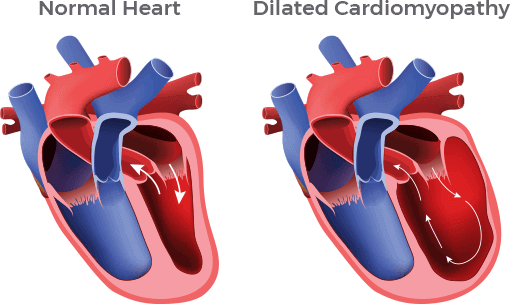
The BAG3 gene helps keep heart muscle cells structurally strong and removes “trash” — old or damaged proteins. When BAG3 isn’t working at full strength, heart muscle cells can weaken or stretch over time, leading to dilated cardiomyopathy (DCM).
Important: You did not cause this. Genetic variations are a natural part of human biology. Knowing this information now gives you and your care team a powerful tool to protect your heart health and guide your long‑term care. You and your care team will work together on a strategy to protect your heart, with a primary focus on maintaining healthy blood pressure to reduce strain.
Because BAG3 is genetic, your family members may also benefit from testing. Parents, siblings, and children each have a 50% chance of carrying the same variant.
Connection & Support
You are part of a supportive community.

“Finding the BAG3 result felt like finally getting the owner’s manual for my heart.”
If you would like to connect with others, you can join our private BAG3 Facebook community to ask questions, share experiences, and hear from others walking a similar path.
Why Specialized Care Matters
Because BAG3 variants are unique, your care should be too. While a general cardiologist is a great starting point, managing genetic cardiomyopathy usually requires a cardiomyopathy genetics specialist.
To find a cardiomyopathy specialist, please click here.
Clinical Trials & Research
This is an important moment in BAG3 history. Multiple clinical trials are underway, shifting care from “managing symptoms” to targeting the underlying genetic cause.
Several BAG3 cardiomyopathy clinical trials are currently recruiting patients. Each trial has specific eligibility criteria, and research is evolving quickly.
Learn about current BAG3 clinical trials and research studies.
Not sure where to start?
Email us with your questions at info@geneticcardiomyopathy.org.
A Message of Hope
Multiple clinical trials are underway. Researchers are collaborating across institutions. And patients like you – informed, connected, and engaged – are part of what moves this forward. You found this community at the right moment. Welcome.
Contact us: info@geneticcardiomyopathy.org