
Thrive with your BAG3 gene
Whether your result is new or you’ve lived with it for years, connecting with others who share your gene, and staying close to the latest research and clinical trials that could help you live a healthier life.
Join the BAG3 communityHave a different gene? Search here.

“When my result came back, I felt completely alone. Finding people who truly understood changed everything.”
Maria, 47
Living with the MYH7 cardiomyopathy gene

“My diagnosis explained my family history, and let me take action to protect my kids.”
Christy Johnson
Living with a DSP cardiomyopathy gene

“The community answered questions I didn’t even know how to ask. I finally feel in control.”
James, 34
Caregiver to father with TTN cardiomyopathy gene
Your BAG3 quick-start guide
You don’t need to figure everything out today. Here’s what matters now and where to find support.
What you can do right now
Join the BAG3 email list. New BAG3 trials and findings are emerging quickly. Fill out the form below to receive updates about future research and clinical trial opportunities.
Connect With Others. Join the BAG3 Facebook community to ask questions and hear from patients and caregivers who share your gene.
Learn Through Video. Watch our videos below, and subscribe to our YouTube channel.
Talk With Someone Who’s Been There. Not sure where to start? Email us with your questions.
Building your care plan
Find a Specialist. Connect with a Cardiomyopathy Specialist for guided care.
Establish a Baseline. Your care team may recommend an echocardiogram, EKG, and/or other tests.
Consider Genetic Counseling. Understand your result and family testing.
Support Your Heart Health. Care for your heart through diet, exercise, lifestyle, and emotional well-being, including blood-pressure management. Pro tip: Improve just one thing at a time until you’ve made a sustainable shift.
Understanding Your Bag3 Gene
The “maintenance manager” of the heart
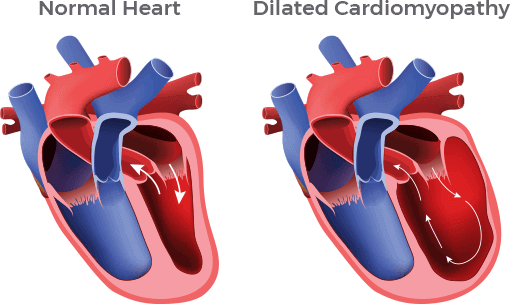
The BAG3 gene helps keep heart-muscle cells structurally strong and clears out old or damaged proteins. When BAG3 isn’t working at full strength, heart-muscle cells can weaken or stretch over time, which can lead to dilated cardiomyopathy (DCM).
Because BAG3 is genetic, close relatives (parents, siblings, and children) each have about a 50% chance of carrying the same variant, so they may benefit from genetic testing, too.
You did not cause this. Genetic variations are a natural part of human biology. Knowing this information now gives you and your care team a powerful tool to protect your heart health and guide your long‑term care.

“In a community matched to your exact diagnosis, families get support that helps them thrive.”
Sharisse Jiminez
Genetic Counselor
Ready When You Are
Join the BAG3 community to get support and stay close to the research and clinical trials that could help.
Watch & Learn about the BAG3 Gene
Real patients, real doctors, real stories. Watch when you’re ready.
Welcome BAG3 patients
A message from our community manager | 1 min.
Understanding BAG3 Cardiomyopathy
Expert overview | 11 min.
The BAG3 playlist
More videos on YouTube
An important time in BAG3 genetic research
Researchers are continuing to learn how BAG3 variants affect heart muscles and how care can shift from managing symptoms to targeting underlying causes.
By participating in clinical studies, you can help improve the lives of your family, others with BAG3, and yourself.

“Patients who engage with their community tend to have better health outcomes.”
Dr. Victoria Parikh, MD, PhD
Director, Stanford Center for Inherited Cardiovascular Disease
Watch a 2-minute message from our Executive Director, Greg Ruf
BAG3 Webinars
BAG3 DCM Gene Therapy Clinical Trial Studies Webinar – 4.15.2026 | 61 min.
Affinia BAG3 DCM – UPBEAT Clinical Trial Webinar- 6.10.2026 | 1 hr 6 min.
Frequently asked questions about the BAG3 Gene
What is the BAG3 Gene?
The BAG3 gene provides instructions for making a protein that helps maintain the structure and function of heart and skeletal muscle cells. The BAG3 protein is involved in managing damaged or misfolded proteins and helping muscle cells respond to physical stress.
Certain disease-causing BAG3 variants have been associated with inherited cardiomyopathy, most commonly dilated cardiomyopathy. However, not every change in the BAG3 gene causes disease. The possible health effects depend on the specific variant and other personal and family factors.
What does a BAG3 mutation mean?
A BAG3 mutation, more accurately called a BAG3 genetic variant, is a change in the DNA sequence of the BAG3 gene. A genetic test report may classify a variant as pathogenic, likely pathogenic, uncertain, likely benign, or benign.
The classification matters. A pathogenic or likely pathogenic BAG3 variant may help explain a person’s cardiomyopathy or indicate a need for ongoing heart evaluation. A variant of uncertain significance does not currently provide enough information to confirm or rule out a diagnosis. A genetic counselor or specialist can explain what your specific result means in the context of your health history, family history, and heart testing.
Can a BAG3 variant cause cardiomyopathy?
Some disease-causing BAG3 variants are associated with inherited cardiomyopathy, including dilated cardiomyopathy. Dilated cardiomyopathy occurs when the heart muscle becomes enlarged or stretched and has difficulty pumping blood effectively.
The effects of a BAG3 variant can vary. Some people may have no symptoms for many years, while others may develop heart-muscle weakness, abnormal heart rhythms, or heart failure. Even within the same family, people who carry the same variant may have different symptoms or develop them at different ages.
What is BAG3-related dilated cardiomyopathy?
BAG3-related dilated cardiomyopathy is a form of genetic heart disease associated with a disease-causing BAG3 variant. The heart’s main pumping chamber may become enlarged, and the heart muscle may become weaker over time.
Possible symptoms can include shortness of breath, fatigue, swelling in the legs or feet, palpitations, dizziness, or fainting. Some people have no noticeable symptoms at first. Regular evaluation can help a care team identify changes in heart function before symptoms become severe.
How is BAG3-related cardiomyopathy diagnosed?
Evaluation may include a personal and family medical history, physical examination, genetic testing, an electrocardiogram, an echocardiogram, cardiac MRI, ambulatory heart-rhythm monitoring, or other tests recommended by your care team.
Genetic testing is one part of the diagnostic process. A BAG3 result should be interpreted alongside heart imaging, heart-rhythm testing, symptoms, and family history. If a disease-causing BAG3 variant is identified, your care team may recommend evaluation for relatives who could carry the same variant.
What symptoms can be associated with a BAG3 variant?
Symptoms vary depending on the specific variant and the individual. Possible heart-related symptoms include:
- Shortness of breath, especially with activity or when lying down
- Fatigue or reduced exercise tolerance
- Swelling in the legs, ankles, or feet
- Fast, irregular, or pounding heartbeat
- Dizziness or fainting
- Chest discomfort
Some BAG3 variants have also been associated with skeletal-muscle conditions, including myofibrillar myopathy. Muscle weakness, difficulty with movement, or other neuromuscular symptoms should be discussed with a healthcare professional.
Should family members get BAG3 genetic testing?
If you have a pathogenic or likely pathogenic BAG3 variant, your genetic counselor may recommend targeted testing for certain relatives. Because disease-causing BAG3 variants are commonly inherited in an autosomal dominant pattern, each child or first-degree relative may have up to a 50% chance of carrying the same variant when one parent carries it.
Testing can help relatives understand whether they may benefit from cardiac screening. Relatives should receive genetic counseling so they understand the possible benefits, limitations, and meaning of testing.
What heart monitoring may be recommended for someone with a BAG3 variant?
Monitoring depends on your age, symptoms, genetic result, family history, and whether you already have evidence of cardiomyopathy. A care team may recommend periodic visits with a cardiologist, an echocardiogram, an ECG, cardiac MRI, or heart-rhythm monitoring.
There is no single monitoring schedule that applies to everyone with a BAG3 variant. An inherited-cardiomyopathy specialist or genetic counselor can help create a plan that is appropriate for you and your family.
What if my BAG3 genetic test shows a variant of uncertain significance?
A variant of uncertain significance, or VUS, means that there is not enough evidence to determine whether the genetic change affects health. A VUS should not generally be used by itself to make major medical decisions or to test relatives.
Your healthcare team may recommend managing your care based on your symptoms, heart tests, and family history. Variant classifications can sometimes change as researchers learn more, so it may be useful to stay in contact with the ordering provider or genetic counselor.
How can I live well with a BAG3 variant?
Living with a BAG3 variant may involve regular heart evaluations, taking medications as prescribed, paying attention to new or changing symptoms, and keeping your healthcare providers informed about your genetic result.
Many people also find it helpful to work with a cardiomyopathy specialist and a genetic counselor. Ask your care team about physical activity, blood-pressure management, pregnancy planning, medications, and other decisions that may be relevant to your situation. Your care plan should be individualized rather than based only on the presence of a gene variant.
Why should I join the BAG3 community?
The BAG3 community connects people living with a BAG3 variant, family members, caregivers, and others affected by BAG3-related cardiomyopathy. Joining can provide an opportunity to ask questions, share experiences, and connect with people who understand the challenges of living with a rare genetic heart condition.
Community members may also receive updates about BAG3 research, clinical trials, educational resources, and opportunities to participate in research. Joining does not replace medical care, but it can help you stay informed and feel less alone.
Join the BAG3 community by signing up for our mailing list of resources and information regarding BAG3 genetics.
Is the BAG3 community only for people with cardiomyopathy?
No. The BAG3 community may also be helpful for people who carry a BAG3 variant but do not currently have symptoms, as well as relatives, caregivers, and people who are seeking information after a family member receives a BAG3 result.
You do not need to have all the answers before joining. The community is a place to learn, connect, and find reliable next steps.
Is there a cost to join the BAG3 community?
Joining the BAG3 community is free. Community members can connect with others, receive information about BAG3 resources, and learn about relevant research and clinical-trial opportunities.
Please review the community’s privacy information before submitting your contact details, and only share personal health information through the channels you are comfortable using.
How can I find a BAG3 cardiomyopathy specialist?
Start by asking your cardiologist or genetic counselor whether you should be evaluated by an inherited-cardiomyopathy or cardiomyopathy-genetics specialist.
A specialist can help interpret your BAG3 result, recommend appropriate cardiac monitoring, and discuss testing for relatives.
Stay informed on BAG3 information
Be the first to know about new research, clinical trials, and helpful resources for people and families affected by BAG3 variants.
By filling out this contact form, you give us permission to notify you of relevant research and clinical trial opportunities as they arise.
Strictly Private: Your data is never shared with third parties without your permission.
Zero Pressure: You aren’t committing to anything.
Your Choice: Opt-in or out of communications at any time.
Have a different gene? Search here.